

SEO in 2026: Does It Still Work or Is It No Longer Worth It?
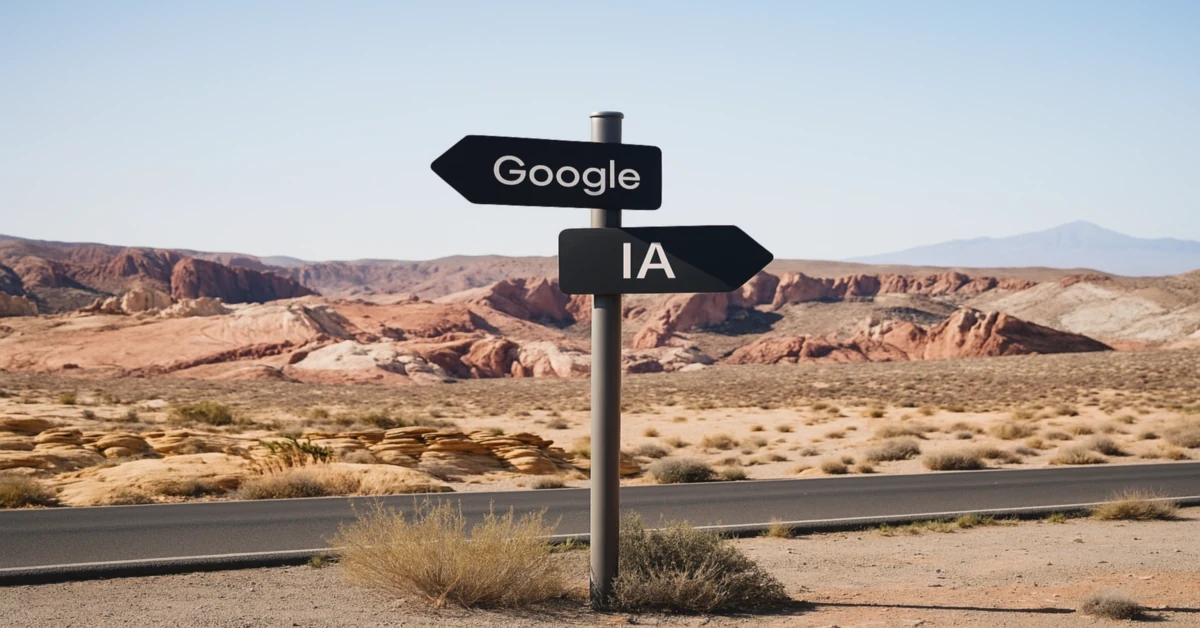
One thing I see very often when someone starts a business is that, sooner or later, they end up looking into SEO. They start reading guides, watching videos on YouTube, learning about keywords, titles, meta descriptions… And once they’ve made some progress, the big question comes up: how does SEO in 2026 work, and is it still worth putting so much effort into it?
It’s a completely valid question. In recent years, we’ve seen the rise of chatbots like ChatGPT, Gemini, or Perplexity that, instead of taking you to a website, give you the answer directly. Because of this, many people wonder whether Google is losing relevance and whether working on SEO in 2026 still makes sense.
However, the reality is a bit more complex. SEO in 2026 is still key, but the way we understand and apply it has changed. And that’s exactly what this article is about: how AI is affecting search engines and what you can do to make sure your website keeps getting traffic in 2026.
AI chats don’t search the same way as Google

When people go to ChatGPT, Gemini, or Perplexity, they don’t have the same intent as when they open Google. In AI chats, we usually ask for things that Google doesn’t handle as well: writing a text, generating ideas, brainstorming, comparing options, or even helping us make a complex decision.
For example:
- If I want a 5-day travel plan or a checklist of what to bring on a trip, I’ll ask ChatGPT.
- Or if I want recipe suggestions based on what I have in my fridge, or I need a recipe adapted to my needs, I’ll also go to AI.
But if I’m buying a laptop, a dress, or booking a hotel… I’m not going to a chatbot. I go to Google. Because I want to see real options, prices, reviews, photos, and other people’s experiences.
So, don’t assume AI will take all your traffic. Your audience might research first using AI, but they will still go to Google when they’re ready to buy or choose a service. SEO in 2026 is still crucial at that stage.
What you can do instead is think of your content as a bridge: first, answer questions (to attract people who are still researching), and then guide them toward making a decision.
SEO in 2026: Quality and trust matter more than ever
There’s no way around this: publishing lots of mediocre content no longer works. In fact, with so much competition and AI summarizing information, only content that truly adds value stands out.
So, what does this mean in practice?
- Your content must be unique: you can’t just repeat what others have already said.
- You need to show real experience: share what you’ve lived, tested, what works for you or your clients.
- Your voice matters: a clear, honest text with your brand’s tone builds far more trust than a generic paragraph.
And what about AI? You can absolutely use it as support. However, don’t let it do everything for you. In the end, if your website is filled with flat, personality-less content, neither Google nor your readers will stick around.
That’s why a key tip for SEO in 2026 is this: spend more time creating one high-quality article than publishing five average ones. Work properly on your H1 and H2, use long-tail keywords, include examples, and add FAQ sections. This will help both your Google rankings and your visibility in AI-generated summaries.
Not everything happens on Google: social media search
On the other hand, there’s another important shift: more and more people are searching directly on social media. Not because Google doesn’t work, but because sometimes what they want is more visual or practical.
For example:
- A step-by-step recipe video on TikTok.
- A tutorial on YouTube.
- Home decor inspiration on Pinterest.
- Real opinions on Instagram or LinkedIn.
This is also part of SEO in 2026, even if it’s not in the traditional sense. In other words, it means optimizing your content so people can find you on these platforms.
Some SEO tips for social media:
- Use clear and descriptive titles in videos and posts.
- Add specific hashtags, not just generic ones.
- Upload content with strong visual quality (thumbnails, photos, reels).
- And most importantly, think about the experience: what is someone looking for on that platform? Inspiration, tutorials, reviews?
In the end, many of these searches lead users back to your website. So if they find you on Instagram or YouTube, your website should be ready to receive them.

In summary: Does SEO in 2026 still work?
Yes, it’s still important—but it doesn’t work the same way it did a few years ago. SEO in 2026 has evolved. It’s no longer enough to “add some keywords, links, and publish every day.”
Now, for your website to get traffic, you need quality, authority, a clear structure, valuable content, differentiation, the ability to adapt to how AI presents information (summaries, direct answers), and visibility across visual and social formats.
If you’re interested, at Bloom The Brand we work with this mindset. We don’t just focus on technical SEO—we also help you define a unique brand strategy, a distinct tone of voice, and copywriting that truly sets you apart. This way, your website won’t just be visible on Google—it will stand out from the competition and build trust. If you feel your website isn’t performing as it should or you want to improve your rankings, you can contact us and we’ll help you.

